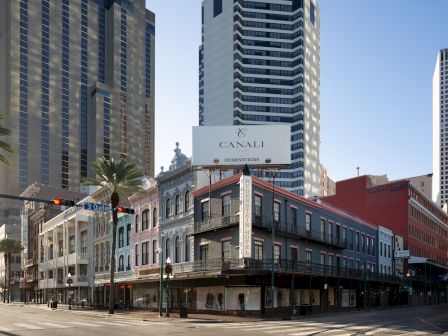
New Orleans Named One of the Top 7 Walkable Cities in the U.S. — Here’s Why
New Orleans has once again earned national recognition—this time from The Washington Post, which recently named it one of the top seven most walkable cities in the United States.
While many American cities are built around cars, New Orleans stands out as a place where walking isn’t just possible—it’s often the best way to experience the city.
A City Built for Walking
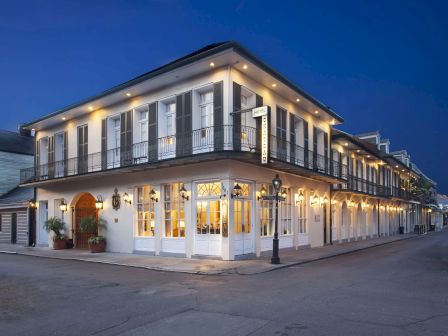
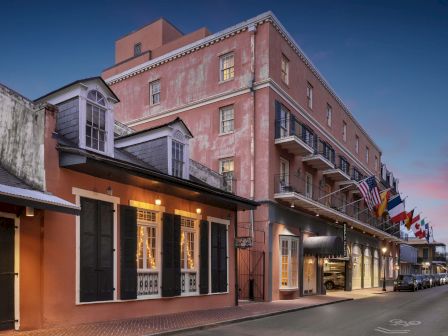
One of the biggest reasons New Orleans ranks so highly for walkability is its compact, historic layout. The city’s core neighborhoods—especially the French Quarter and Central Business District—are tightly packed, with restaurants, attractions, and shops all within a relatively small area.
In fact, many of the city’s most iconic destinations—from Jackson Square to Bourbon Street—are just a short stroll apart. This density makes it easy to explore without needing a car.
Mixed-Use Neighborhoods Make It Easy
A key factor highlighted in walkability rankings is New Orleans’ mix of housing and businesses within the same neighborhoods.
Instead of separating residential areas from commercial zones, many New Orleans neighborhoods blend homes, cafes, bars, grocery stores, and cultural attractions together. According to urban planning insights cited by The Washington Post, these mixed-use areas create “great bones for walking,” allowing people to live, dine, shop, and explore all within a few blocks.
This kind of design means everyday errands—and spontaneous adventures—can happen entirely on foot.
Flat Terrain and Easy Navigation
Unlike many cities with steep hills or sprawling layouts, New Orleans is remarkably flat, making it physically easier to walk long distances.
Its street grid—especially in older neighborhoods—also makes navigation simple. Wide sidewalks, historic streets, and visually distinct districts help pedestrians feel oriented and engaged as they move through the city.
Distinct, Walkable Districts
New Orleans isn’t just one walkable area—it’s a collection of unique neighborhoods connected by walkable routes.
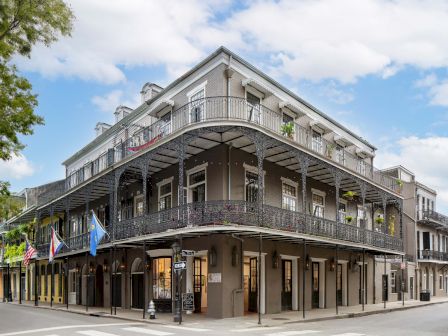
Visitors can easily walk through the French Quarter for history and nightlife, the Garden District for architecture and tree-lined streets, and Marigny and Bywater for arts and local culture.
Each area offers its own identity, making walking feel like a journey through multiple “mini cities” in one.
Transit That Supports Walkability
Even in a walkable city, transportation matters—and New Orleans excels here as well.
The city’s iconic streetcar system, operated by the Regional Transit Authority, connects key corridors and neighborhoods, making it easy to travel longer distances without a car.
In addition to streetcars, extensive bus lines serve both the city and surrounding areas, allowing residents and visitors to move between districts quickly and affordably.
This combination of walking and transit creates a flexible, car-free lifestyle.
A City Meant to Be Experienced on Foot
Walkability in New Orleans isn’t just about convenience—it’s about experience.
From live oak–lined streets and historic architecture to music drifting from open doorways, the city reveals itself best at a slower pace. As travel experts note, the ability to walk between food, culture, and entertainment is what makes destinations like New Orleans so memorable.
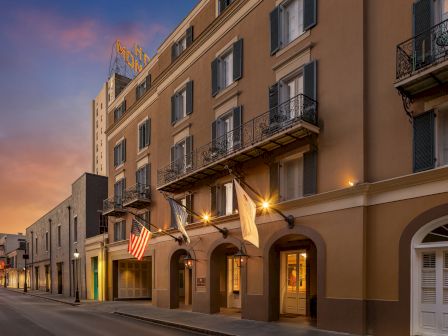
Whether you’re visiting for a weekend or considering a move, New Orleans proves that some of the best urban experiences still happen one step at a time. Stay at one of our hotels and experience all the action right outside the front door.